
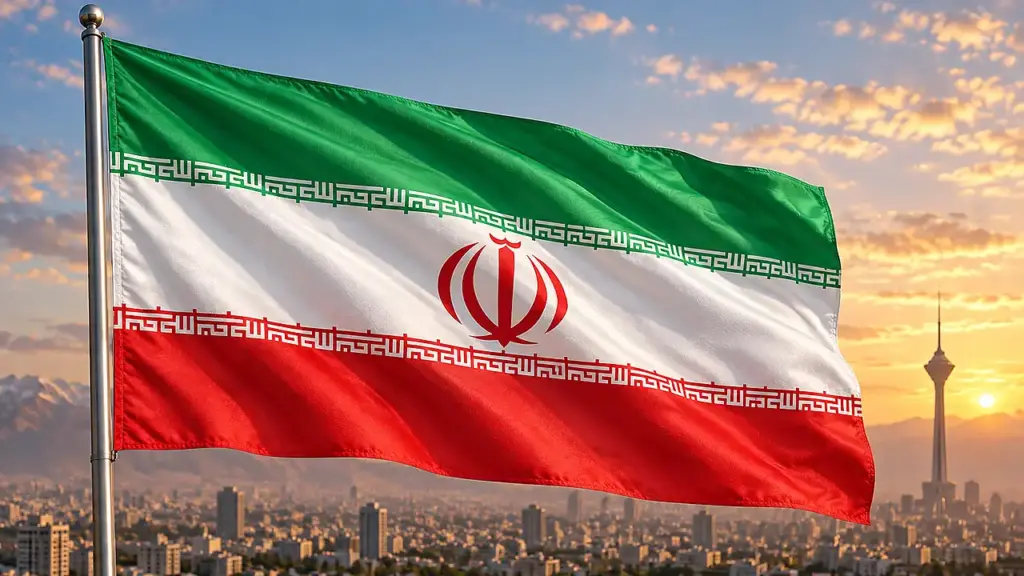
Persian Translation Services support official, legal, medical, academic and commercial communication involving Persian-language documents. Persian is commonly called Farsi in Iran, while closely related varieties include Dari in Afghanistan and Tajik in Tajikistan. These forms share historical and linguistic connections but should not be treated as identical in professional projects, particularly when regional vocabulary or official terminology matters.
Translation All World confirms whether the project involves Iranian Persian, Dari or another regional context before assigning a translator. Persian uses a right-to-left script derived from Arabic writing, but Persian and Arabic are separate languages from different language families with different grammar and vocabulary. Official documents, contracts, medical records and trade files therefore require Persian-language expertise rather than an Arabic-language workflow. Authentication and legalization are also checked according to the issuing country and destination instead of assuming one regional procedure applies everywhere.
What Are Persian Translation Services?
Persian Translation Services include professional translation into or from Persian, certified document translation, legal and medical translation, localization, revision and terminology management. The correct workflow depends on whether the source is an Iranian civil record, a commercial contract, a medical report, a university document or digital content intended for Persian-speaking users.
Formal Persian requires careful treatment of administrative terminology, names, dates and institutional titles. Iran uses the Solar Hijri calendar in many official contexts, which can create date-conversion questions when documents are translated for international use. Personal names may also have several plausible Latin spellings, so an existing passport spelling should be used as a reference where appropriate.
Translation All World can work between Persian and English, Turkish and other supported languages. When projects involve Afghanistan, Dari terminology and local institutional usage are identified separately rather than assuming an Iranian Persian version will automatically be suitable.
Project references can also include previous translations, approved terminology and recipient instructions. Reviewing these materials before translation begins helps the linguist distinguish established names from terms that need contextual translation and reduces unnecessary variation across related files.
Which Projects Need Persian Translation Services?
Persian Translation Services are used for immigration, citizenship, education, healthcare, property, law, banking and international trade. Individuals may need birth, marriage, academic and police records translated, while companies often require contracts, corporate documents, product information, financial records and import-export material.
The table below shows common Persian translation projects and the primary quality point that should be checked during production.
| Project Type | Examples | Main Translation Focus |
|---|---|---|
| Official Documents | Birth, marriage, identity and police records | Names, dates, seals and certification format |
| Academic | Diplomas, transcripts, certificates | Qualification and institutional terminology |
| Legal | Contracts, powers of attorney, court documents | Legal terminology and jurisdiction |
| Medical | Reports, treatment records, patient material | Medical terminology and confidentiality |
| Business | Company records, financial and trade files | Commercial terminology and figures |
| Digital | Websites, apps, marketing content | RTL layout and regional language fit |
Translation All World can process related documents together so personal names, companies, institutions and recurring terminology remain consistent across the complete Persian-language file.
How Do Persian, Farsi and Dari Differ?
Persian is the English name of the language commonly called Farsi by speakers in Iran. In most professional English-language contexts, “Persian” is the broader language name and “Farsi” can be used when referring specifically to Iranian usage. Dari is the official name used for a closely related variety in Afghanistan and has differences in vocabulary, pronunciation and administrative terminology.
Tajik is another closely related variety spoken in Tajikistan, where it is normally written in Cyrillic rather than the Perso-Arabic script used in Iran and Afghanistan. A Persian-language project should therefore identify the country and script rather than selecting a translator only from a broad “Persian” label. Regional terminology becomes especially important in government, healthcare and education.
Persian should also not be confused with Arabic simply because both can use related scripts. Persian is an Indo-European language, while Arabic is Semitic. Translation All World assigns Persian and Arabic projects to separate specialists and identifies Dari or Tajik requirements independently where relevant.
How Does a Persian Translation Project Work?
The project begins with the source files, issuing country, target language, intended use and deadline. Official records should be submitted as complete scans with stamps and reverse-side information. For business projects, existing company names, terminology and previous translations should be provided when available.
- Review the files, language pair, issuing country, target audience and subject field.
- Confirm Iranian Persian, Dari or another regional requirement and identify the script used.
- Assign a translator with appropriate legal, medical, academic or commercial expertise.
- Translate names, dates, numbers, terminology and structured fields carefully, including calendar references where relevant.
- Perform bilingual revision plus right-to-left formatting and consistency checks.
- Arrange certification, notarization or legalization only when required by the receiving authority.
For recurring projects, Translation All World can retain approved Persian terminology and official name spellings so later files remain consistent with the original project.
Questions identified during translation are resolved against the source file or client reference material rather than guessed. This review stage is particularly useful when names, abbreviations, handwritten notes or industry-specific terms appear differently across several documents in the same project.
When Does Persian Translation Require Legalization or Certification?
Formal requirements depend on the country that issued the document and the authority that will receive it. Iran does not use the same international authentication route as every Hague Apostille Convention member, so applicants should not assume that an apostille is available or sufficient for Iranian public documents. Legalization requirements must be checked for the specific destination and document.
Dari-language documents from Afghanistan follow the authentication rules applicable to Afghan documents, and Tajik records follow Tajikistan’s procedures. Translation certification is a separate issue from authentication. A receiving authority may require a certified translation, a notarial step, legalization or a combination of procedures depending on the case.
Translation All World confirms the source country and final recipient before recommending formal handling. This avoids applying an Iranian procedure to an Afghan document or assuming that right-to-left script alone determines the certification route.
The required formalities should be confirmed before final delivery, not inferred from the language alone. Authorities can change submission rules, and two institutions in the same country may request different certification wording, signatures, copies or authentication steps for similar documents.
Frequently Asked Questions
Are Persian and Farsi the same language?
Yes. Farsi is the name commonly used by speakers in Iran, while Persian is the standard English name of the language. For professional projects, the important distinction is often the target country and regional terminology rather than the choice between those two names. The issuing country, target audience and receiving institution should be confirmed first so regional terminology, formatting and formal requirements are selected correctly.
Is Dari the same as Iranian Persian?
Dari is closely related to Iranian Persian and is mutually intelligible to a significant degree, but vocabulary, pronunciation and official terminology differ. Documents for Afghanistan should therefore be assigned with Dari context rather than automatically localized as Iranian Persian. The issuing country, target audience and receiving institution should be confirmed first so regional terminology, formatting and formal requirements are selected correctly.
Is Persian a form of Arabic?
No. Persian and Arabic are separate languages from different language families. They use related scripts and Persian contains many Arabic loanwords, but their grammar, core vocabulary and sentence structure differ. Persian projects should be assigned to Persian-language specialists. The issuing country, target audience and receiving institution should be confirmed first so regional terminology, formatting and formal requirements are selected correctly.
Why do Persian dates sometimes differ from Western dates?
Iran commonly uses the Solar Hijri calendar in official and everyday contexts. A translation may need to preserve the original date and, where appropriate, provide a clear Gregorian equivalent. The receiving authority’s preferred format should guide how dates are presented. The issuing country, target audience and receiving institution should be confirmed first so regional terminology, formatting and formal requirements are selected correctly.
Do Iranian documents always use apostille?
No. Authentication requirements for Iranian public documents should be checked with the destination authority because Iran does not follow the same apostille route as every Convention member. Certified translation, notarization or legalization may be required depending on the document and country. The issuing country, target audience and receiving institution should be confirmed first so regional terminology, formatting and formal requirements are selected correctly.